Address:
20310 N. Main Street Cornelius, NC 28036




The Itch That Won’t Go Away
When Scratching Is More Than Just an Itch
A little scratching is normal. But when your pet is constantly licking their paws, shaking their head, chewing at their skin, or keeping everyone awake at night, there is usually more going on.
For many dogs and cats, allergies are the culprit. And here in North Carolina, our long allergy seasons can make September an especially itchy time of year.
What Does an Allergy Look Like?
Pet allergies don’t always look like human allergies. Instead of sneezing and watery eyes, we often see problems with the skin, paws, and ears.
Watch for:
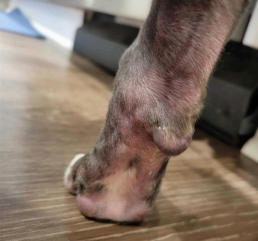
● Frequent scratching, licking, or chewing
● Paw licking or staining
● Red, irritated, or smelly skin
● Recurrent ear infections or head shaking
● Hot spots
● Hair loss or over-grooming
● Small scabs or bumps, especially in cats
● Vomiting or diarrhea in some pets
One of the biggest clues is when the problem keeps coming back.
Why Does the Itch Keep Returning?
There isn’t one single cause of itchy skin. Environmental allergies to things like pollen, grass, mold, and dust mites are common, but food allergies, fleas, mites, and other conditions can cause very similar symptoms.
Allergies can also damage the skin’s natural protective barrier. Once that happens, secondary bacterial or yeast infections can develop, creating even more itching and discomfort.
That is why treating the itch alone may provide temporary relief without addressing everything that is going on.
What About Fleas?
Even if you haven’t seen a flea, we still need to consider them.
For a pet with a flea allergy, a single flea bite can trigger significant itching. Fleas and other parasites can also look remarkably similar to allergies, which is why consistent, year-round parasite prevention is an important first step when evaluating an itchy pet.
Finding the Right Treatment
Allergies usually aren’t something we “cure.” Instead, our goal is to identify the triggers, control flare-ups, treat secondary infections, and keep your pet comfortable.
Depending on your pet, a treatment plan may include:
Prescription medications to control itching and inflammation
Cytopoint injections
Medicated shampoos, mousses, sprays, or wipes
Treatment for bacterial or yeast infections
A prescription diet trial when food allergy is suspected
Allergy testing and immunotherapy for environmental allergies
Consistent parasite prevention
There is rarely one perfect treatment for every allergic pet. Finding the right combination can take some time and adjustment.
When a Photo Isn’t Enough
We love photos, especially when your pet’s skin looks different at home than it does when they arrive at the hospital. But skin and ear problems are another good example of why a photo can help us, but it can’t always tell us what is causing the problem.
Red skin could be allergies, parasites, infection, or a combination of several things. An examination and, when needed, simple diagnostic testing can help us determine what we are actually treating before choosing medication.

Break the Itch Cycle
If your pet has been scratching for weeks, licking the same paws every night, or seems to have another ear infection as soon as the last one clears, don’t just accept it as their “normal.”
Allergies can be frustrating, but with the right management plan, most pets can be much more comfortable.
Tired of the scratching? Schedule an exam so we can help figure out what’s behind the itch.
Want to learn more? Visit our Pet Allergy Guide for a deeper look at environmental allergies, food allergies, allergy testing, diet trials, and treatment options.



VEG (980) 880-6062
4716-A Sharon Rd. A Charlotte NC 28210
© 2026 Main Street Veterinary. All Rights Reserved. Accessibility Statement - Privacy Policy - Sitemap
Powered by: