Address:
20310 N. Main Street Cornelius, NC 28036


Puppy & Kitten Care
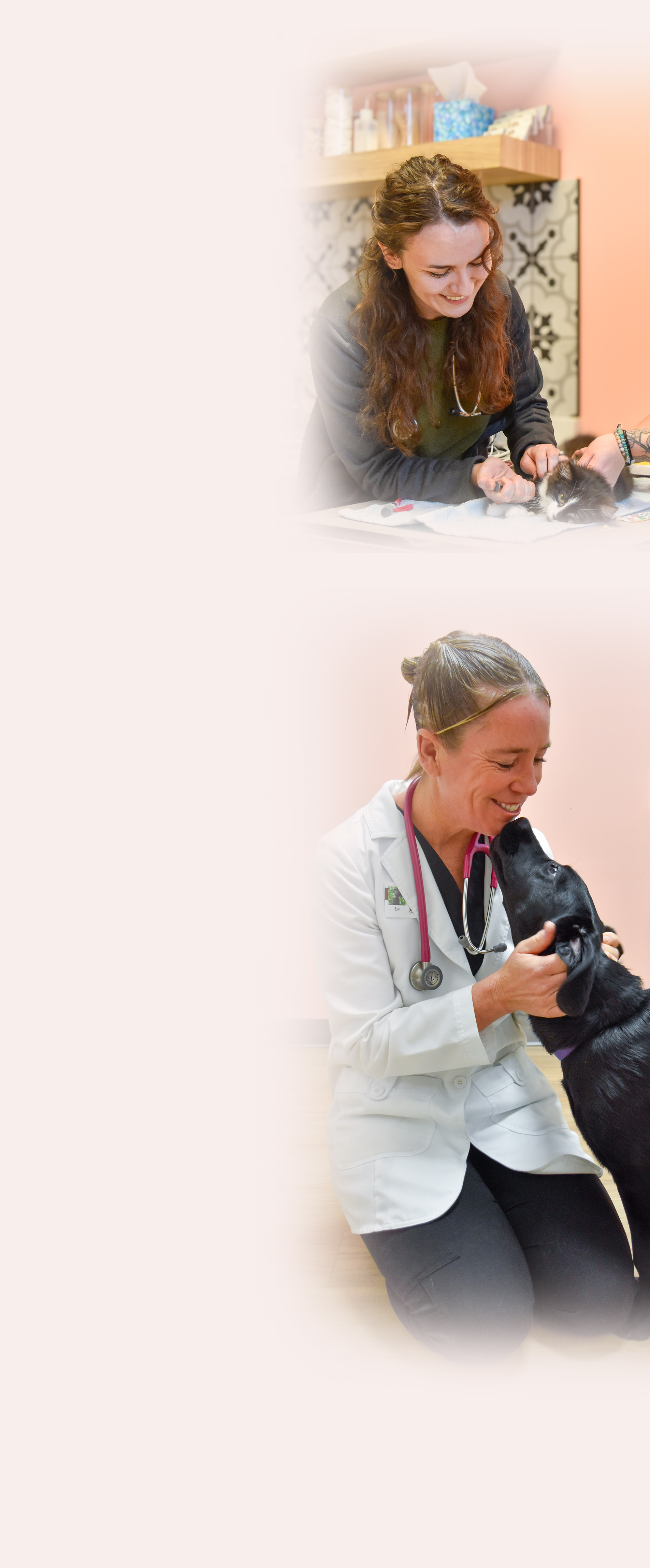
The first year of your pet’s life is an important time for growth, learning, and preventive care. At Main Street Veterinary Hospital, our puppy and kitten visits are designed to support healthy development while helping your new companion feel comfortable at the vet from the very beginning.
Our team focuses on education, prevention, and building a positive foundation that supports lifelong health.
Puppy & Kitten Wellness Exams
Regular wellness exams help us monitor your puppy or kitten’s growth and catch potential concerns early. These visits also give you time to ask questions and get guidance as your pet reaches new milestones.
During a puppy or kitten wellness exam, our veterinarian will:
Perform a complete nose to tail physical exam
Monitor growth, weight, and body condition
Listen to the heart and lungs
Examine eyes, ears, mouth, skin, and coat
Assess mobility and development
Discuss behavior, training, and socialization
Review nutrition and feeding schedules
Recommend vaccines, parasite prevention, or diagnostics when appropriate
Each visit is tailored to your pet’s age, breed, lifestyle, and individual needs. We take time to explain what we see, answer questions, and help you feel confident caring for your growing pet.
Vaccinations for Puppies and Kittens
Vaccinations play a key role in protecting young pets from serious and preventable diseases. Because puppies and kittens are still developing their immune systems, timely vaccination is especially important.
Before administering any vaccines, our veterinarian will review your pet’s health history and lifestyle to create a plan that fits their needs.
Puppy Vaccinations
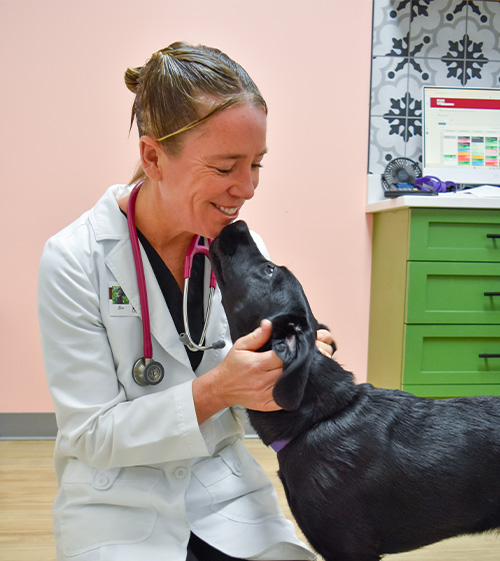
Puppies typically receive a series of vaccines starting around 6 to 8 weeks of age.
Common puppy vaccines include:
Rabies
Rabies is a fatal disease that affects the nervous system and can be transmitted to humans. This vaccine is required by law and is essential for both public and pet health. This vaccine can be given as young as 13 weeks but is typically given during their 16 week check up.DHPP
This core vaccine protects against distemper, hepatitis, parvovirus, and parainfluenza. These diseases can be severe or life threatening, especially in young dogs. Because a puppy’s immune system is still developing, DHPP booster vaccines are given every 4 weeks until approximately 16 weeks of age. These boosters are important because maternal antibodies from the mother gradually wear off at different rates in each puppy. Repeating the DHPP vaccine every few weeks helps ensure your puppy is protected during this vulnerable window, when they are most at risk for serious illnesses like parvovirus and distemper.Bordetella
Bordetella helps protect against kennel cough, a contagious respiratory illness. It is recommended for puppies who visit groomers, daycare, training classes, boarding facilities and play with other dogs in public or at home.Leptospirosis
Leptospirosis is a bacterial infection spread through wildlife urine, contaminated water, or soil. It can affect both dogs and people and may cause serious kidney or liver damage. This vaccine has recently (2024) been upgraded to a core vaccine, meaning it is now recommended for all dogs, not just those with specific lifestyles. This change reflects how common and widespread exposure has become, even for dogs who spend most of their time close to home. The Leptospirosis vaccine is given as a two part series, with the first dose typically administered at 12 weeks of age and a booster given at 16 weeks. Our veterinarian will help determine the right timing for your dog and ensure they stay protected as they grow.Canine Influenza
This highly contagious respiratory virus spreads quickly in social environments. Vaccination helps reduce illness severity and transmission. This vaccine is also a two part series, typically administered at 12 weeks of age and a booster given at 16 weeks.Lyme
Lyme disease is a serious illness spread by ticks and can lead to joint pain, fever, and long term health issues if left untreated. Exposure risk is especially high in northern states, where Lyme disease is more prevalent and ticks are commonly found in yards, parks, and wooded areas. The Lyme vaccine is strongly recommended for dogs who travel to or live in northern regions, spend time outdoors, or have any exposure to tick environments. It is also especially important for pets who are not on a heartworm or flea and tick prevention that includes protection against Lyme disease, such as Simparica TRIO. Our veterinarian will review your dog’s travel history, lifestyle, and current prevention plan to help determine if the Lyme vaccine is the right choice to keep your pet protected.
Kitten Vaccinations
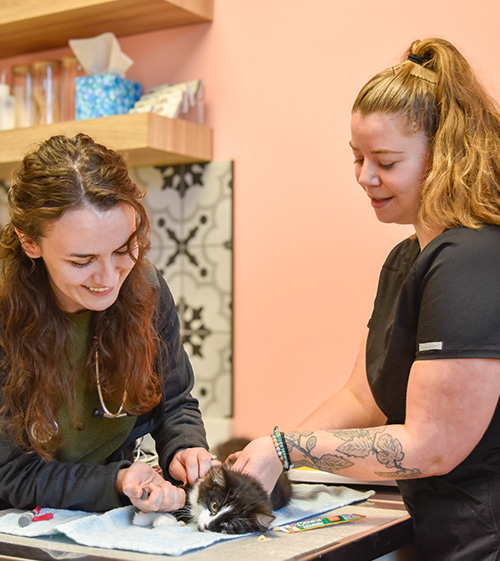
Kittens also begin their vaccine series early to protect them during this vulnerable stage of life.
Common kitten vaccines include:
Rabies
Rabies is a fatal viral disease that affects the nervous system and can be transmitted to people. Rabies vaccination is required by law, even for indoor only cats, because exposure can occur through unexpected contact with wildlife or bats that enter the home. This vaccine is essential for protecting your kitten, your family, and the community, and it also ensures your cat remains compliant with local regulations.FVRCP
FVRCP is considered a core vaccine for all cats and protects against three highly contagious and potentially life threatening diseases: feline viral rhinotracheitis, calicivirus, and panleukopenia. These viruses can cause severe upper respiratory illness, oral ulcers, dehydration, and gastrointestinal disease, particularly in kittens with developing immune systems. Vaccination helps provide strong early protection during this vulnerable stage of life.Feline Leukemia (FeLV)
Feline Leukemia Virus suppresses the immune system and significantly increases the risk of chronic infection, anemia, and certain cancers. Kittens are especially susceptible to this virus, as their immune systems are not fully developed. Vaccination is strongly recommended for all kittens, especially those who may go outdoors, live with other cats, or have potential exposure to unknown cats. Our veterinarian will discuss ongoing risk and whether continued vaccination is appropriate as your kitten grows.
Parasite Prevention
Young pets are especially susceptible to parasites such as fleas, ticks, intestinal worms, and heartworms. We will recommend appropriate preventive medications based on your pet’s age, size, and lifestyle to help keep them protected year round.
Nutrition, Behavior, and Training Support
Puppyhood and kittenhood come with a lot of questions. Our team is here to help guide you through topics such as:
Choosing the right food and feeding schedule
Potty training and litter box habits
Teething and chewing behaviors
Socialization and fear prevention
Spaying or neutering timing
We believe education is just as important as medical care, and we are always happy to help you navigate this exciting stage.
Building a Healthy Future Together
At Main Street Veterinary Hospital, our goal is to provide thoughtful, supportive care during your pet’s earliest visits while setting the stage for a lifetime of positive veterinary experiences. We are honored to be part of your puppy or kitten’s journey from the very beginning.
If you are ready to schedule your puppy or kitten’s first visit, our team is here to help.


VEG (980) 880-6062
4716-A Sharon Rd. A Charlotte NC 28210
© 2026 Main Street Veterinary. All Rights Reserved. Accessibility Statement - Privacy Policy - Sitemap
Powered by: