Address:
20310 N. Main Street Cornelius, NC 28036




Helping Your Senior Pet Thrive: A Little Extra Care for Their Golden Years
Helping Your Senior Pet Thrive: A Little Extra Care for Their Golden Years
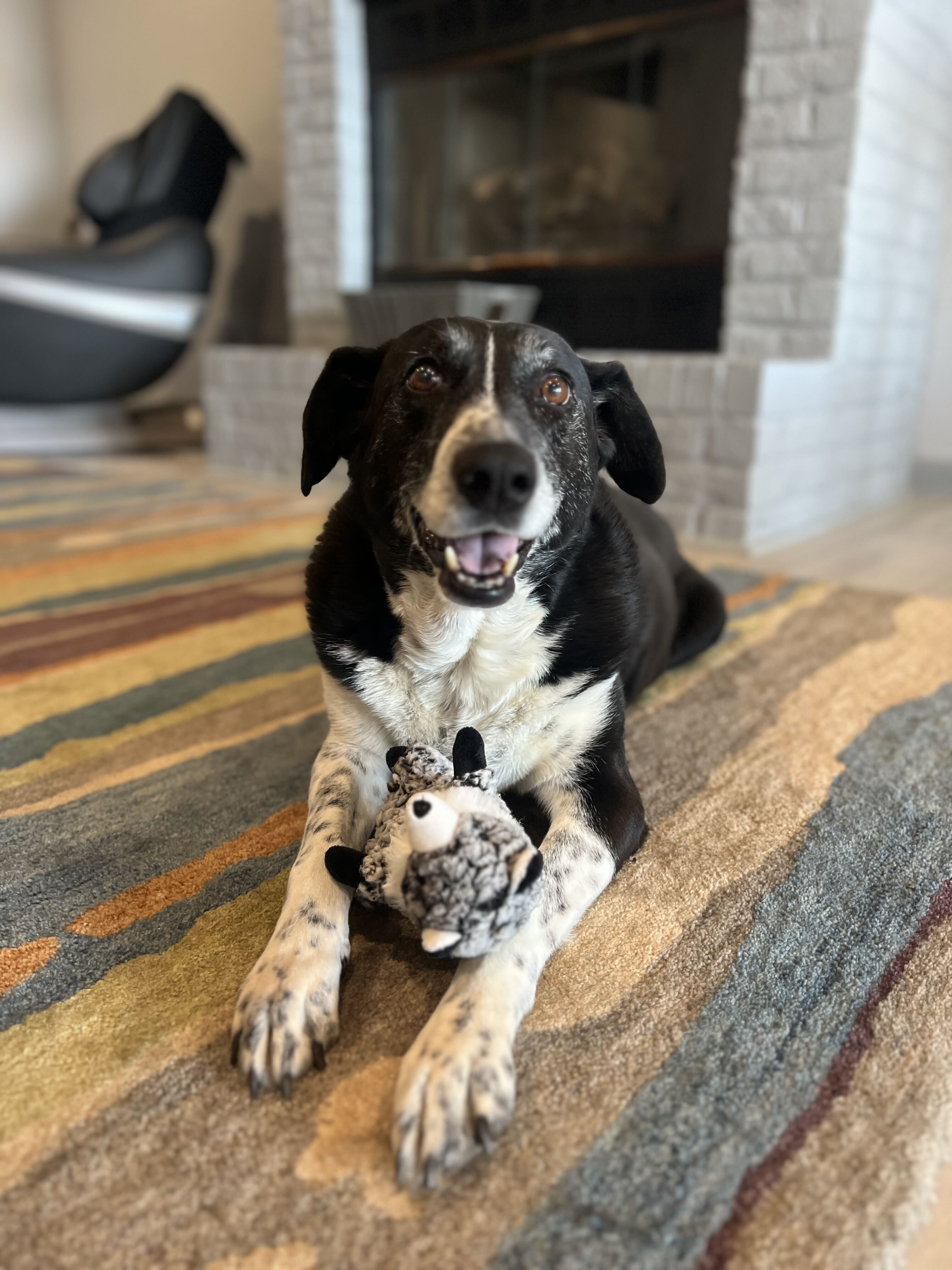
There is something pretty wonderful about a senior pet.
They know your routines, your favorite spot on the couch, exactly when dinner should be served, and which family member is most likely to sneak them an extra treat.
They've spent years being part of your family. As they grow older, their needs may begin to change, and a little extra attention can go a long way toward keeping them comfortable and happy.
November is National Senior Pet Month, and we're celebrating all those gray muzzles, distinguished whiskers, and lifelong companions!

Why Senior Wellness Matters
Pets age differently depending on their breed, size, and individual health. Some senior pets seem to have endless energy, while others show subtle changes long before their owners notice a problem.
The challenge? Our pets are remarkably good at hiding discomfort.
That's why preventive care becomes increasingly important as they age.
Five Ways to Support Your Senior Pet
1. Make Wellness Exams a Priority
Many senior pets benefit from examinations every six months rather than annually.
More frequent visits give your veterinarian an opportunity to monitor weight, muscle condition, mobility, dental health, and other changes that may develop gradually.
Six months can make a meaningful difference in the life of an aging pet.
2. Don't Skip the Lab Work
Bloodwork and urinalysis can help identify changes in kidney function, liver health, blood sugar, and other important indicators.
Depending on your pet's individual needs, your veterinarian may also recommend thyroid testing, blood pressure monitoring, or additional screening.
Even when results are normal, they provide valuable information about your pet's baseline health.
3. Pay Attention to Mobility
Arthritis doesn't always look like limping.
A dog who hesitates before jumping into the car or a cat who suddenly prefers sleeping on the floor may be experiencing discomfort.
Changes in activity, grooming, posture, or behavior can all be important clues.
Fortunately, there are many ways to support aging joints, including weight management, environmental adjustments, appropriate exercise, and veterinary-guided pain management.
4. Watch for Changes at Home
You know your pet better than anyone.
Changes worth mentioning include:
Drinking or urinating more frequently
Unexplained weight loss or gain
Changes in appetite
Difficulty getting comfortable
Increased anxiety or confusion
Changes in sleeping habits
Bad breath or difficulty chewing
Less interest in favorite activities
These changes don't automatically mean something serious is wrong, but they deserve attention.
5. Make Home a Little More Comfortable
Sometimes small adjustments make the biggest difference.
Non-slip rugs, supportive bedding, ramps, raised or easily accessible resting areas, and lower-entry litter boxes can help aging pets navigate their environment more comfortably.
Maintaining a healthy weight and a consistent routine can also help.

The Goal Isn't Simply More Years
It's more good years.
We want our senior patients to continue enjoying the things that make them happy, whether that's chasing a favorite toy, greeting you at the door, enjoying a leisurely walk, or curling up beside you at the end of the day.
Aging is a natural part of life, but discomfort and illness shouldn't automatically be accepted as part of getting older.
At Main Street Veterinary Hospital, we're here to help you navigate every chapter.
If your pet is entering their senior years, ask us about their individual wellness needs at their next visit. Together, we can help make their golden years some of their very best.
Main Street Veterinary Hospital | Compassionate care from the doctor next door.




VEG (980) 880-6062
4716-A Sharon Rd. A Charlotte NC 28210
© 2026 Main Street Veterinary. All Rights Reserved. Accessibility Statement - Privacy Policy - Sitemap
Powered by: