Address:
20310 N. Main Street Cornelius, NC 28036



Is My Pet a Senior?
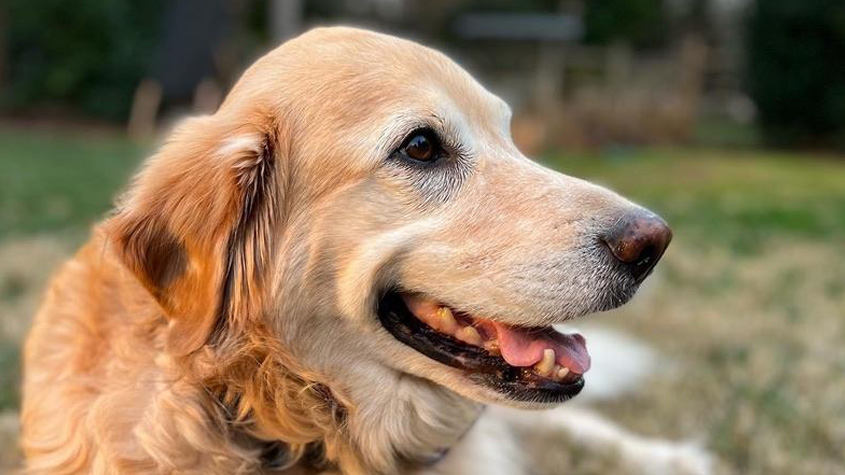
When you hear the words “senior pet,” what comes to mind? A gray muzzle? Slower walks? A cat who has perfected the art of napping in their favorite sunny spot?
You may be surprised to learn that your pet can enter their senior years long before they actually seem “old.”
And knowing when they reach this stage matters. Senior care isn’t about treating your pet like they’re old. It’s about recognizing that their needs may be changing and helping them stay healthy, comfortable, and active for as long as possible.
When Is a Pet Considered a Senior?
There isn’t one magic birthday that makes every pet a senior. Species, breed,size, and individual health all play a role.
In general, larger dogs tend to reach their senior years earlier than smaller dogs. A giant-breed dog may be considered senior while a small dog of the same age is still comfortably in middle age.
Cats typically enter their senior life stage around 10 years of age, although changes associated with aging can begin earlier. That means your happy, active dog or cat may technically be a senior even though they still act like a youngster.
And that’s a good thing! Our goal is to help keep them that way.
“Getting Older” Doesn't Mean We Stop Asking Questions
It’s easy to notice a change in an older pet and chalk it up to age.
“She’s just slowing down.”
“He sleeps more because he’s getting older.”
“She doesn’t jump on the counter anymore.”
“He’s getting picky about his food.”
Some changes are part of normal aging, but others can be early signs of arthritis, dental disease, changes in organ function, vision or hearing loss, or other medical conditions.
Age itself isn’t a disease.
When we recognize changes early, we often have more opportunities to manage them and help your pet continue doing the things they love.
Subtle Changes Are Worth Mentioning
You know your pet better than anyone. Sometimes the first sign that something has changed isn't dramatic. It's simply a feeling that they aren't quite acting like themselves.
Keep an eye out for changes such as:
Difficulty getting up or lying down
Slowing down on walks
Hesitation with stairs, jumping, or getting into the car
Sleeping significantly more
Less interest in playing or favorite activities
Changes in appetite or weight
Drinking or urinating more than usual
New accidents in the house
Changes in hearing or vision
Bad breath or difficulty chewing
Increased anxiety or restlessness
Confusion or changes in normal routines
Becoming more withdrawn or irritable
Difficulty getting comfortable
One small change doesn't necessarily mean something is wrong. But changes are worth mentioning to your veterinary team, especially when they persist or begin affecting your pet's normal activities.
Senior Care Is About More Than Finding Problems
We never want pet owners to think of senior visits as simply looking for bad news.
They are actually about protecting the good years.
As pets age, regular examinations become increasingly important. Depending on your pet's age and individual needs, your veterinarian may also recommend lab work, blood pressure monitoring, dental care, nutrition or weight changes, mobility assessments, or other preventive screening.
These tools can help establish what is normal for your pet and sometimes identify changes before they become obvious at home. Finding something early can give us more options. And sometimes the solution is surprisingly simple.
Don't Forget About Mobility
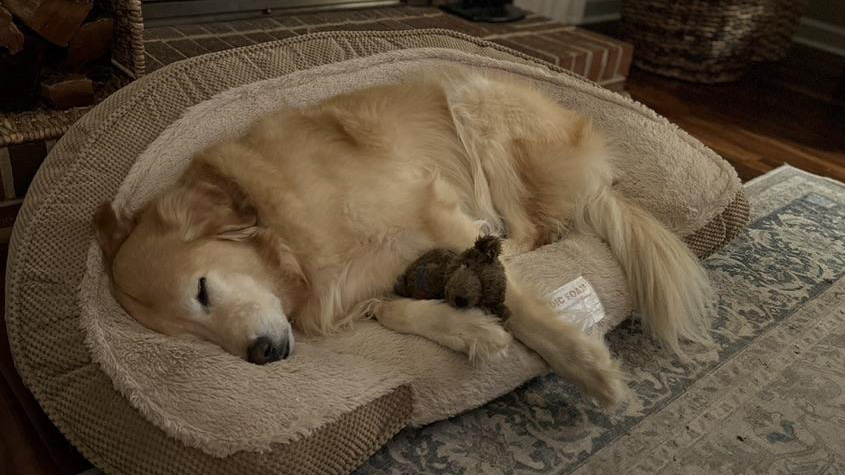
Pets don't have to limp to be uncomfortable.
A dog who stops jumping onto the couch, takes longer to stand up, hesitates at the stairs, or starts shortening their walks may be experiencing joint discomfort.
Cats can be even more subtle. They may stop jumping onto a favorite surface, sleep in a different location, groom themselves less, or become less tolerant of
being handled.
These changes are easy to dismiss as “just getting older,” but there are more options than ever to help manage discomfort and support mobility. If your pet is changing how they do something they've done for years, tell us.
Growing Older Is a Privilege
There is something pretty special about a senior pet.
You've learned each other's routines. They know exactly where the treats are kept, which family member is most likely to share, what time dinner should
be served, and precisely which spot on the couch belongs to them.
A few gray hairs don't mean the adventures are over.
The senior years are simply another chapter, and our goal is to help make them as healthy, comfortable, and happy as possible.

Not sure whether your pet has reached their senior years? Ask us at your next visit. We can talk about where they are in their life stage and whether their preventive care needs are beginning to change.
Main Street Veterinary Hospital
Compassionate care for every stage of their life.



VEG (980) 880-6062
4716-A Sharon Rd. A Charlotte NC 28210
© 2026 Main Street Veterinary. All Rights Reserved. Accessibility Statement - Privacy Policy - Sitemap
Powered by: