Address:
20310 N. Main Street Cornelius, NC 28036


Halloween Pet Safety: Keep the Tricks Fun and the Treats Pet-Safe
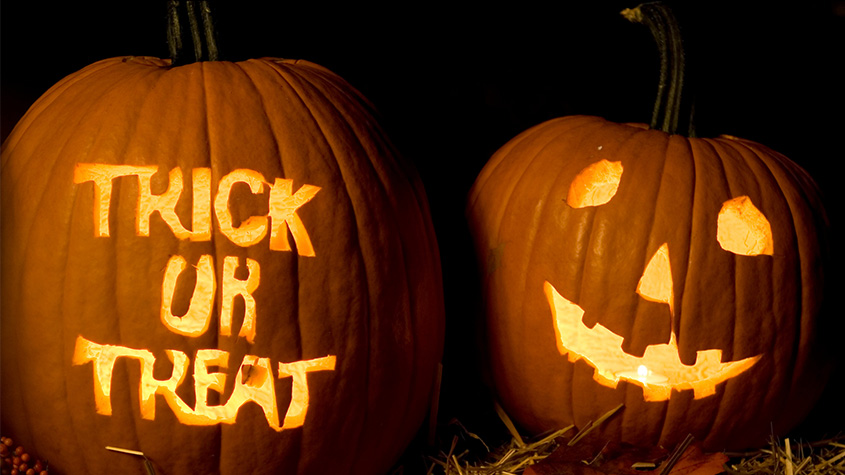
Halloween is full of things we love: costumes, candy, decorations, trick-or-treaters, and maybe a few good scares.
For our pets, some of those traditions can bring risks of their own. A curious dog can find a candy stash surprisingly quickly, and even the most selective cat may decide that a ribbon, wrapper, or glow stick looks like a great toy.
A little planning can help keep Halloween fun for everyone.
Chocolate: Not All Chocolate Is Created Equal
Chocolate can be toxic to dogs and cats. In general, the darker and more bitter the chocolate, the greater the potential risk, with baking chocolate and dark chocolate containing higher concentrations of the compounds responsible for chocolate toxicity.
How much was eaten and the size of your pet matter too.
Signs of chocolate toxicity can include:
Vomiting or diarrhea
Increased thirst
Restlessness or agitation
Rapid heart rate
Tremors
Seizures
Don't wait for symptoms to appear before calling. If you know or suspect your pet ate chocolate, contact your veterinarian. Knowing your pet's weight, the type of chocolate, approximately how much was eaten, and when it happened will help determine the level of concern.
Sugar-Free Doesn't Mean Pet-Safe
One of the most serious candy-related hazards for dogs is xylitol, a sweetener that may be found in some sugar-free gums, candies, mints, baked goods,
and other products.
Xylitol can cause a dog's blood sugar to drop rapidly and, with some exposures, can cause serious liver injury.
Signs can include:
Vomiting
Weakness
Lethargy
Difficulty walking or standing
Trembling
Collapse
Seizures
Suspected xylitol ingestion is an emergency. Don't wait to see whether your dog develops symptoms. Contact a veterinarian or animal poison control service immediately.
Don't Forget About Grapes & Raisins
Those little boxes of raisins may seem like a healthier trick-or-treat option for children, but grapes and raisins can cause serious kidney injury in dogs.
Because the risk cannot be reliably predicted based simply on the number eaten, suspected ingestion deserves prompt veterinary attention.
Signs may include vomiting, diarrhea, decreased appetite, lethargy, abdominal discomfort, and changes in drinking or urination.
Again, don't wait for these signs to appear before seeking advice.
Sometimes It's the Wrapper, Not the Candy
Dogs aren't particularly concerned with removing the wrapper before enjoying their Halloween haul.
Foil, cellophane, plastic wrappers, lollipop sticks, small toys, and pieces of costumes can become choking hazards or potentially cause an intestinal obstruction if swallowed.
Watch for:
Repeated vomiting or attempts to vomit
Loss of appetite
Abdominal discomfort
Lethargy
Difficulty passing stool
Excessive drooling
Difficulty swallowing
If you know your pet swallowed a wrapper, stick, toy, or other foreign object, give us a call. What they swallowed, its size, your pet's size, and when it happened can all help determine the next step.
Glow Sticks, Decorations & Costumes
Glow sticks are especially tempting to cats. The liquid inside can have an extremely bitter taste and may result in dramatic drooling, foaming at the mouth, and agitation.
Decorations can create other problems. Strings, ribbons, fake cobwebs, small plastic decorations, batteries, candles, and electrical cords should all be kept
away from curious pets.
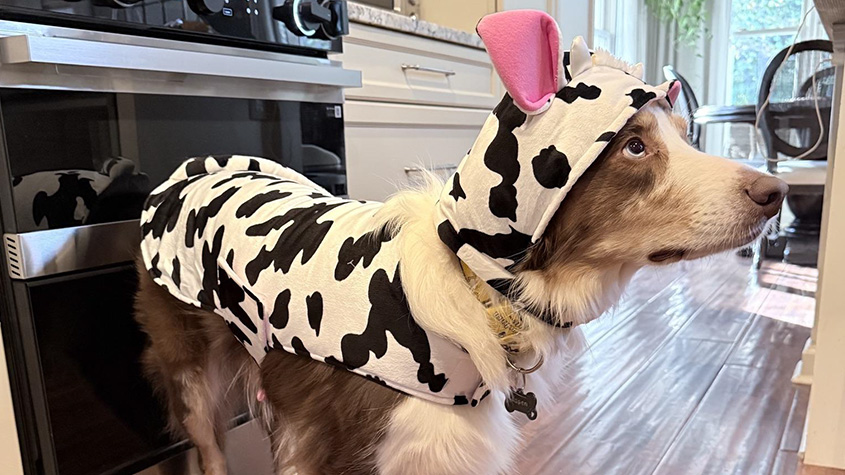
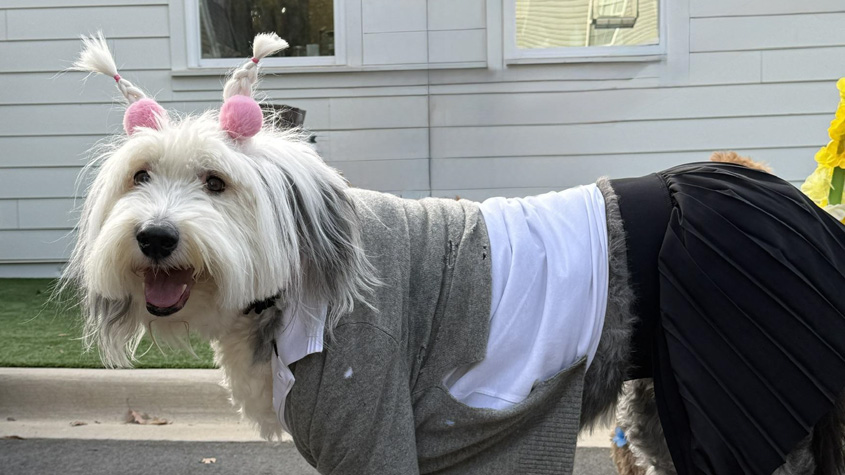
Costumes should never interfere with your pet's ability to see, breathe, walk, or move comfortably. Avoid loose or dangling pieces that could be chewed or swallowed.
And if your pet clearly doesn't enjoy dressing up? A festive bandana counts as a costume. We promise.
My Pet Ate Something. What Should I Do?
First, don't wait for your pet to look sick. Some toxic exposures can cause problems before obvious symptoms develop, and early treatment can be important.
1. Take the item away.
Prevent your pet from eating anything else and safely remove any remaining candy, wrappers, medication, decorations, or other material.
2. Save the packaging.
Don't throw away the evidence! The package or ingredient list can be extremely helpful.
Try to determine:
What your pet ate
The brand and ingredients
Approximately how much is missing
When it happened
Your pet's approximate weight
If you aren't bringing the packaging with you, take clear photos of the front, back, ingredients, and nutrition information.
3. Call for veterinary guidance.
Contact your veterinarian or an emergency veterinary hospital.
For suspected poisoning, you can also contact the ASPCA Animal Poison Control Center at 888-426-4435 or Pet Poison Helpline at 855-764-7661. Consultation fees may apply.
4. Don't try home remedies unless specifically instructed.
Do not induce vomiting or give hydrogen peroxide, milk, oil, salt, activated charcoal, or another home treatment unless a veterinarian or veterinary poison specialist specifically directs you to do so.
The appropriate treatment depends on what was eaten, how much, when it happened, and your pet's individual health.
5. Know when it's an emergency.
If your pet is experiencing collapse, seizures, tremors, difficulty breathing, severe weakness, repeated vomiting, loss of consciousness, or another significant change in their condition, seek emergency veterinary care immediately.
Don't Forget the Front Door
Candy isn't the only Halloween hazard.
Doorbells, unfamiliar voices, costumes, excited children, and a front door opening every few minutes can be overwhelming for pets. Even an animal who normally enjoys visitors may react differently when the visitor is three feet tall, dressed like a dinosaur, and yelling “TRICK OR TREAT!”
Consider giving nervous pets a comfortable space away from the front door with their bed, favorite toys, and something enjoyable to keep them occupied.
Before Halloween night, make sure your pet's collar and identification are secure, and their microchip contact information is current.
A Little Prevention Goes a Long Way
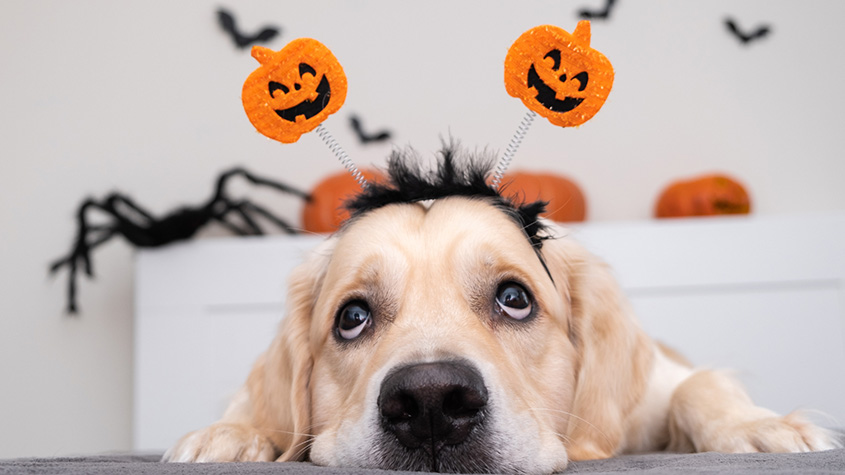
Keep Halloween candy somewhere your pets truly cannot reach it. Remember that children's bedrooms, backpacks, purses, countertops, and trick-or-treat bags can quickly become unexpected sources of temptation.
Halloween should be full of treats, a few harmless tricks, and plenty of good memories. If your pet manages to get into something they shouldn't, call us. We'd always rather help you determine that everything is okay than have you wait until your pet becomes sick.
Happy Halloween from all of us at Main Street Veterinary Hospital!


VEG (980) 880-6062
4716-A Sharon Rd. A Charlotte NC 28210
© 2026 Main Street Veterinary. All Rights Reserved. Accessibility Statement - Privacy Policy - Sitemap
Powered by: