Address:
20310 N. Main Street Cornelius, NC 28036



Can My Pet Eat That? A Thanksgiving Food Guide for Dogs and Cats
Can My Pet Eat That? A Thanksgiving Food Guide for Dogs and Cats
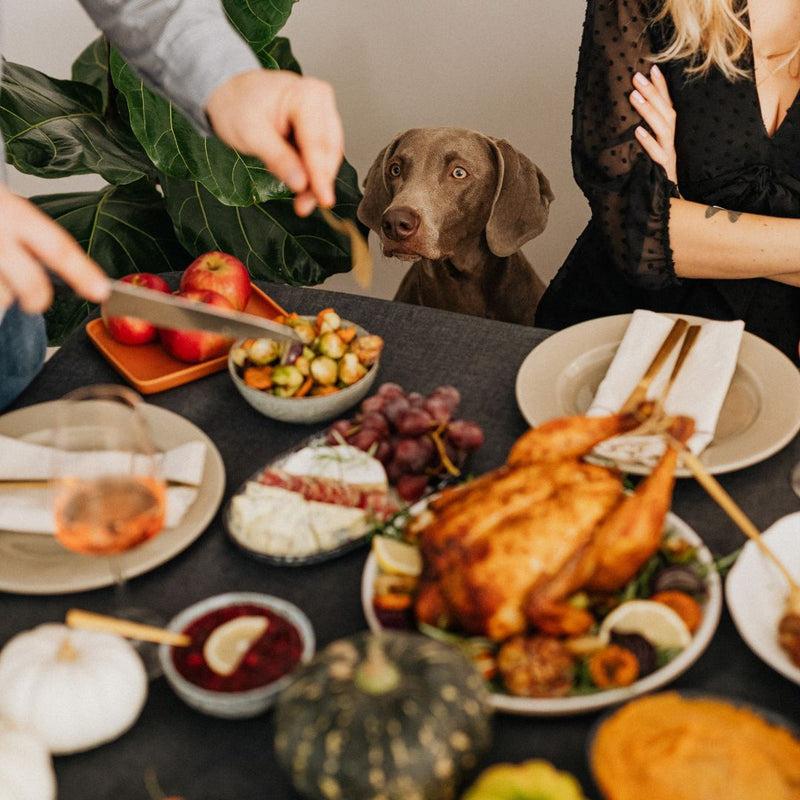
Thanksgiving brings family, friends, delicious food, and at least one pet who is absolutely convinced the entire meal was prepared for them.
We know those pleading eyes are hard to resist!
But before sharing your holiday feast, it's important to remember that some traditional Thanksgiving foods can cause serious problems for our four-legged family members.
The good news? There are a few things your pet may safely enjoy in moderation.

🟢 Foods That May Be Safe to Share
For healthy pets without special dietary restrictions, small portions of these foods are generally acceptable:
Plain, fully cooked turkey: Boneless, skinless, unseasoned meat only.
Plain pumpkin: Cooked pumpkin or 100% pure canned pumpkin, not pumpkin pie filling.
Green beans: Plain, cooked or raw, without butter, garlic, or seasoning.
Carrots: Plain, cut into appropriately sized pieces.
Sweet potatoes: Fully cooked, plain, and served without butter, sugar, or marshmallows.
Remember, even safe foods can cause stomach upset when pets eat too much. Treats and extras should make up only a small portion of their daily diet.
🔴 Foods to Keep Off Their Plates

Some Thanksgiving favorites are dangerous for pets.
Turkey Bones
Cooked bones can splinter, creating choking hazards or potentially causing injury or obstruction in the digestive tract.
Onions, Garlic & Chives
These ingredients can damage red blood cells in dogs and cats, potentially causing anemia. They may be hiding in stuffing, gravy, casseroles, and seasoned meats.
Grapes & Raisins
Grapes and raisins can cause serious kidney injury in dogs. There is no reliably safe amount, so any suspected ingestion warrants immediate veterinary advice.
Chocolate & Desserts
Chocolate can be toxic to pets. Some sugar-free desserts also contain xylitol, a sweetener that can cause life-threatening low blood sugar and liver injury in dogs.
Fatty Foods & Gravy
Rich, fatty foods can cause vomiting, diarrhea, and potentially pancreatitis. Turkey skin, buttery mashed potatoes, gravy, and rich casseroles are best avoided.
Alcohol & Raw Bread Dough
Alcohol and raw yeast dough can cause serious illness. Rising dough can expand in the stomach and produce alcohol as it ferments.
What If My Pet Eats Something They Shouldn't?
Don't wait for symptoms to develop if you suspect your pet has eaten something toxic.
Remove access to the food, save the packaging or ingredient information, and contact your veterinarian or an emergency veterinary hospital promptly.
Be prepared to share what your pet ate, approximately how much, when it happened, and your pet's weight.
Do not induce vomiting or attempt home remedies unless specifically directed by a veterinary professional.
For suspected poisoning, you can also contact:
ASPCA Animal Poison Control Center: 888-426-4435
Pet Poison Helpline: 855-764-7661
Consultation fees may apply.
A Few More Tips for a Pet-Friendly Thanksgiving
Holiday excitement can be stressful for some pets, especially with unfamiliar visitors, open doors, and changes to normal routines.
Give nervous pets a quiet place to relax, keep trash bags and leftovers secured, and remind guests not to slip treats under the table.
And don't forget to keep your pet's identification and microchip information current in case an open door leads to an unexpected adventure.
The Best Thanksgiving Treat?
A little extra love and attention.
Your pet doesn't need a plate full of Thanksgiving dinner to feel included. A favorite toy, a special pet-safe treat, or a quiet walk together can be just as meaningful.
From all of us at Main Street Veterinary Hospital, we wish you and your four-legged family members a happy, healthy, and deliciously uneventful Thanksgiving!
Main Street Veterinary Hospital | Compassionate care from the doctor next door.


VEG (980) 880-6062
4716-A Sharon Rd. A Charlotte NC 28210
© 2026 Main Street Veterinary. All Rights Reserved. Accessibility Statement - Privacy Policy - Sitemap
Powered by: