Address:
20310 N. Main Street Cornelius, NC 28036




Helping Pets Cope with Noise Aversion: Fireworks & Thunderstorms
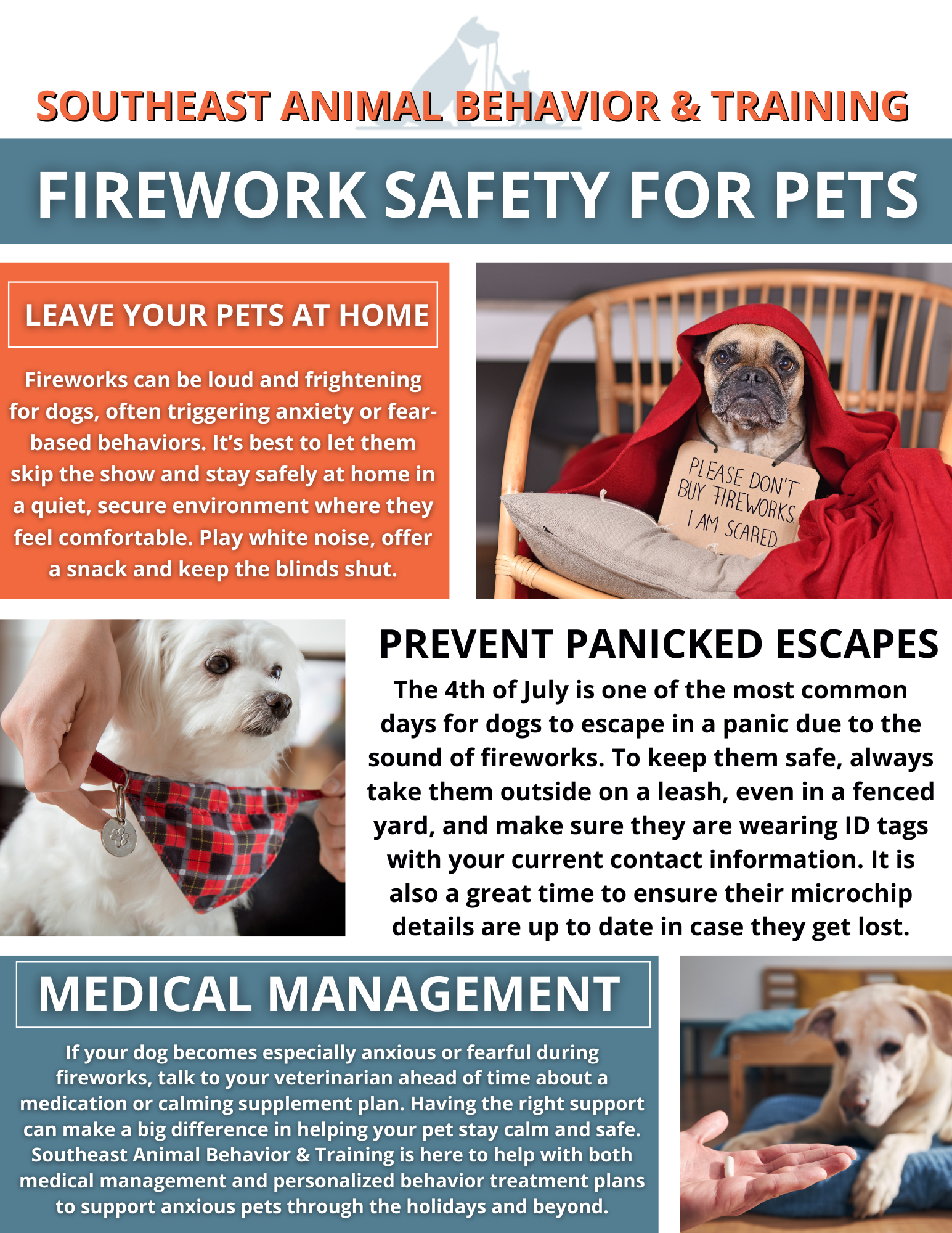
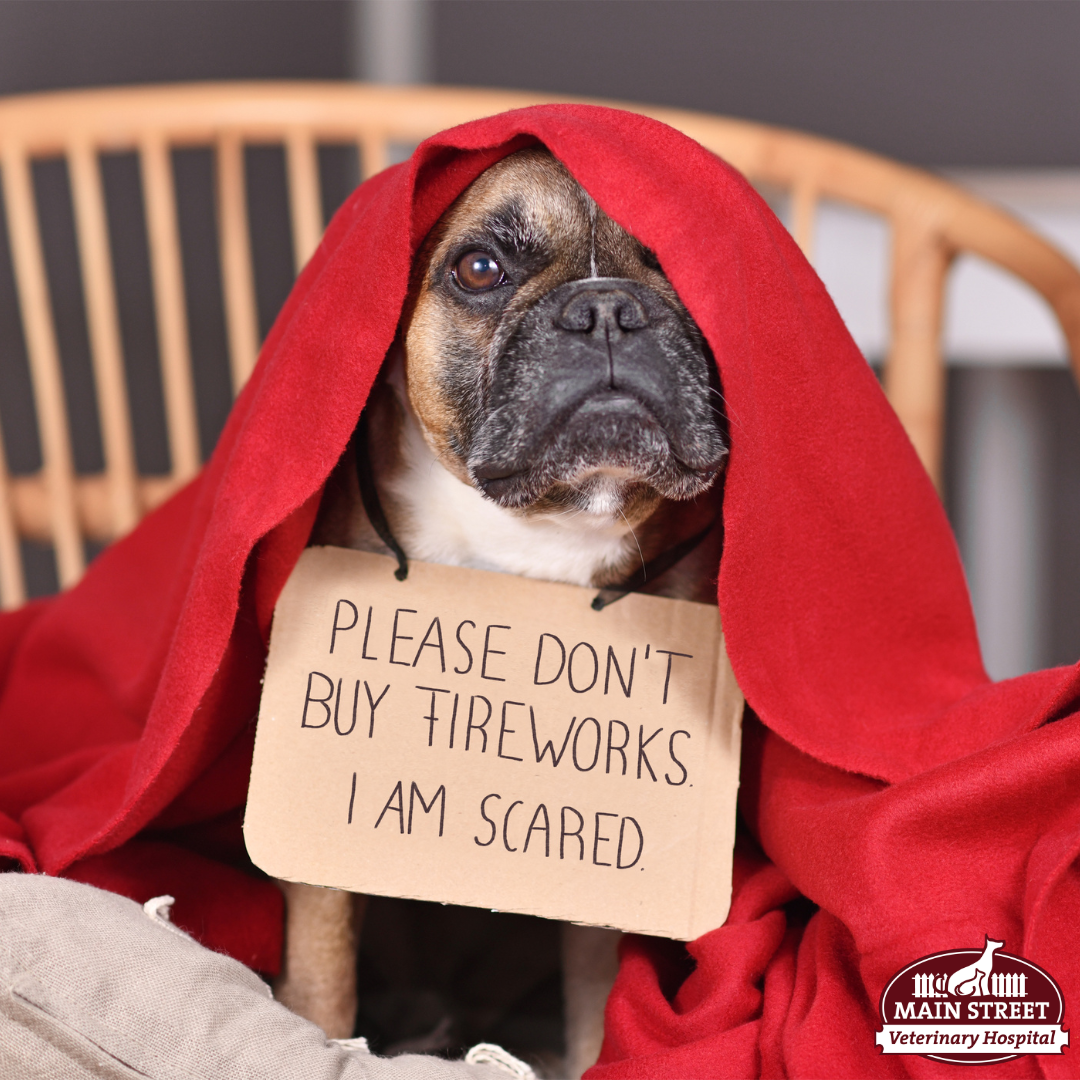
Loud, unpredictable sounds like fireworks and thunderstorms can be overwhelming for many pets. At Main Street Veterinary Hospital, we often see dogs and cats struggling with noise aversion, fear or anxiety triggered by sudden loud noises. These reactions can range from mild stress to severe panic, and without support, they can worsen over time.
Why Fireworks and Thunderstorms Are So Stressful:
Fireworks and storms share several features that can trigger fear in pets:
Sudden, loud, and unpredictable noises
Bright flashes of light (fireworks and lightning)
Changes in barometric pressure (storms)
Lack of control or ability to “escape” the sound
For pets, these experiences can feel frightening and disorienting, leading to anxiety-driven behaviors such as hiding, trembling, pacing, barking, destructive behavior, or attempts to escape.
Fireworks: A Major Risk for Pet Safety
Fireworks, especially around the Fourth of July, are one of the most common triggers for panic-related escapes in dogs. When frightened, pets may bolt through doors, slip collars, dig under fences, or break through enclosures in an attempt to get away from the noise.
Because of this, prevention and preparation are key.
How to Help Your Pet Stay Safe and Calm
According to recommendations from Southeast Animal Behavior & Training and board-certified veterinary behaviorist Dr. Maggie O’Brian, there are several effective ways to support pets during fireworks or thunderstorms:
1. Create a safe, quiet space
Keep pets indoors during fireworks or storms
Close blinds and curtains to block flashing lights
Use a quiet, comfortable room where your pet already feels secure
2. Reduce sound exposure
Play white noise, calming music, or a television to help mask loud sounds
Keep the environment as calm and predictable as possible
3. Provide comfort and routine
Offer a favorite treat or chew to help redirect focus
Stay calm yourself, pets often pick up on human anxiety
4. Use secure handling outdoors
Always take dogs outside on a leash, even in a fenced yard. Be sure your pet's collar and leash are fitted properly. A double leash system is another safe option if you're concerned about them slipping out.
Double-check gates, doors, and secure areas before storms or fireworks begin
5. Ensure proper identification
Make sure your pet is wearing up-to-date ID tags with current contact information
Verify that microchip registration details are accurate in case your pet becomes lost
When to Talk to Your Main Street Veterinarian
If your pet shows signs of significant fear, such as severe trembling, escape attempts, destructive behavior, or refusal to eat or settle, it may be time to talk with your Main Street veterinarian.
Consult Main Street Veterinary Hospital
At Main Street Veterinary Hospital, we can evaluate your pet’s symptoms and discuss individualized recommendations to help manage noise aversion. This may include behavior strategies, environmental modifications, and, when appropriate, medical support to help reduce anxiety during predictable events like storms or fireworks.
If these initial recommendations are not sufficient, we can also provide a referral for further specialized care.
Referral for Advanced Behavioral Support
For pets with more severe or persistent noise aversion, we may recommend a referral to Dr. Maggie O’Brian, board-certified veterinary behaviorist with Southeast Animal Behavior & Training. She provides advanced behavioral consultations, including comprehensive treatment plans and medical management for anxiety-related conditions.
Learn More About Southeast Animal Behavior & Training
You can learn more about their services here: https://www.southeastanimalbehavior.com
We’re Here to Help
At Main Street Veterinary Hospital, we understand how stressful noise aversion can be for both pets and their families. With the right plan in place, many pets can feel safer and more secure during fireworks, thunderstorms, and other loud events.
If your pet struggles with noise sensitivity, we encourage you to reach out before the next storm or holiday. Early planning is one of the best ways to keep your pet safe, calm, and comfortable all year long.


VEG (980) 880-6062
4716-A Sharon Rd. A Charlotte NC 28210
© 2026 Main Street Veterinary. All Rights Reserved. Accessibility Statement - Privacy Policy - Sitemap
Powered by: